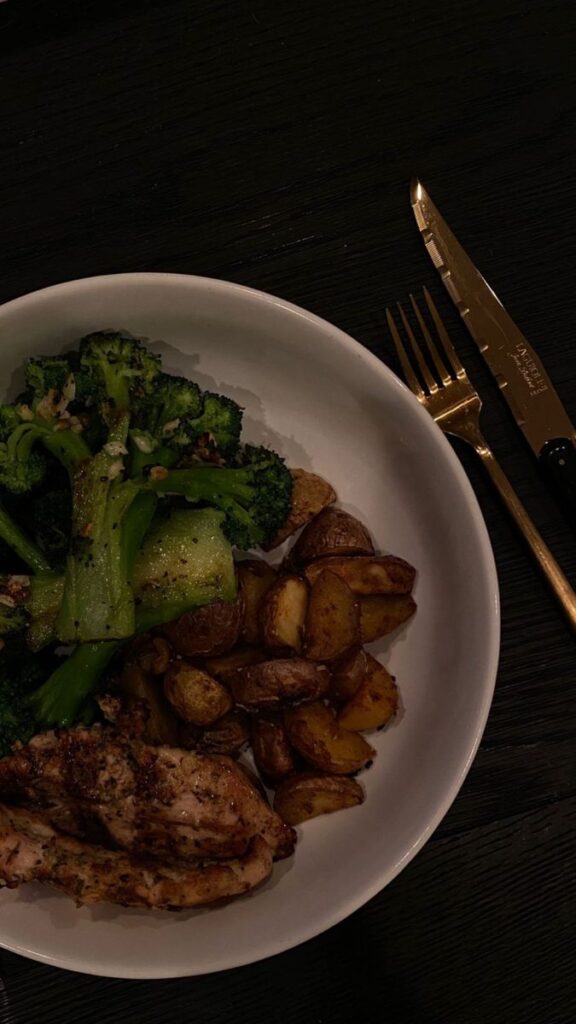
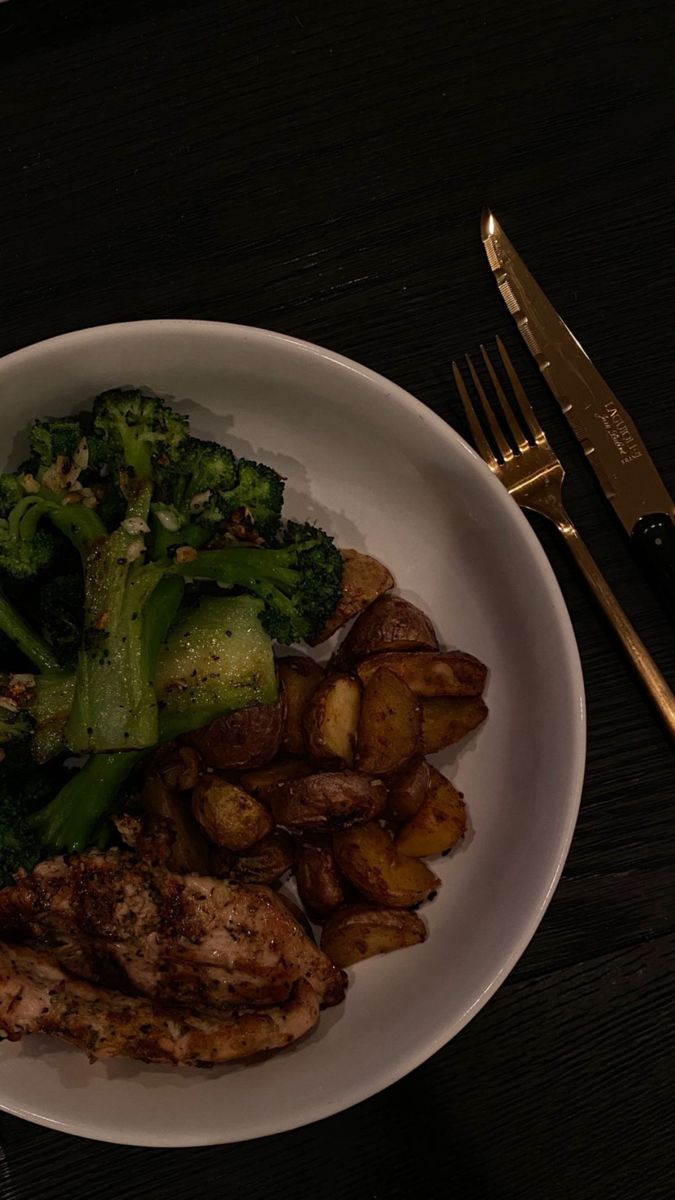
This is what lands on the plate: a rested strip steak, sliced against the grain, fanned over charred peppers, zucchini and red onion, with the pan juices spooned back over everything. The knife and fork beside it are not decoration. They are a promise that the crust will be worth cutting through.
Advertisements1
The method is deliberately boring. Dry the meat, salt it early, get the pan properly hot, and then leave it alone. Most steak failures happen because someone keeps flipping, keeps prodding, or crowds the pan with vegetables that steam instead of char. We avoid all three.
You need one heavy skillet that can take high heat and one cutting board with a channel, because a rested steak releases juice and you want that juice on the plate, not on the counter. Everything else is salt, oil, and about thirty-five minutes of paying attention.
Why You'll Love This Recipe
About the Ingredients
2 boneless strip steaks, about 1 inch (2.5 cm) thick and 10 oz (285 g) each
Strip, ribeye, or sirloin all work; look for steaks with fine white marbling rather than big hard fat caps. If your steaks are thinner than 3/4 inch, cut the sear time to 2 minutes per side.
1 1/2 teaspoons kosher salt, plus more for the vegetables
Kosher salt dissolves and seasons more evenly than table salt; if using fine table salt, use about 1 teaspoon total. Sea salt flakes are for finishing, not for the dry brine.
1 teaspoon freshly ground black pepper
Grind it coarse so it forms part of the crust instead of burning to dust. Pre-ground pepper loses its bite within a month of opening.
2 tablespoons neutral oil, such as grapeseed or avocado
Use an oil with a high smoke point; olive oil will smoke and turn bitter at the heat this recipe needs. Canola is a fine cheaper substitute.
2 medium red bell peppers, stemmed, seeded, cut into 1-inch strips
Red peppers are sweeter than green; yellow or orange work identically. Choose peppers that feel heavy for their size with glossy, tight skin.
2 medium zucchini, about 8 oz (225 g) each, cut into 1/2-inch half-moons
Smaller zucchini have fewer seeds and firmer flesh. If yours are large and watery, salt the slices for 10 minutes and pat them dry before cooking.
1 large red onion, cut into 1/2-inch wedges
Keep the root end intact while cutting so the wedges hold together. A yellow onion is sharper but perfectly acceptable here.
2 garlic cloves, thinly sliced
Fresh garlic only; the jarred stuff scorches and turns acrid. Add it at the very end so it goes golden rather than black.
2 tablespoons unsalted butter
Butter adds color and nuttiness to the pan sauce. If you are dairy-free, use 2 more tablespoons of oil and skip the basting step.
1 tablespoon fresh lemon juice
Lemon wakes up the charred vegetables. Lime or a splash of red wine vinegar can stand in if that is what you have.
2 tablespoons chopped fresh flat-leaf parsley
Parsley is for freshness and color; cilantro or torn basil also work. Skip dried parsley here, it contributes nothing.
Tips & Tricks
Dry the steak thoroughly
surface moisture steams the meat and prevents the Maillard crust from forming, so pat it dry and salt it at least 45 minutes ahead.
Do not crowd the pan
cook the vegetables in a single layer, working in two batches if needed, because piled vegetables release steam and turn limp instead of charred.
Slice against the grain
find the direction of the muscle fibers and cut perpendicular to them, which shortens them and makes every bite tender.
Rest before slicing
five minutes of rest lets the juices redistribute; cut immediately and they end up on the board instead of in the meat.
Pro Tips
Step-by-Step Instructions
1. Dry and season the steaks
Pat the steaks completely dry with paper towels, then season both sides with the kosher salt and black pepper. Set them on a rack at room temperature for 30 minutes, or uncovered in the refrigerator for up to 4 hours.
2. Heat the skillet properly
Set a 12-inch heavy skillet, preferably cast iron, over medium-high heat for 3 to 4 minutes until a drop of water sizzles and evaporates on contact. Add 1 tablespoon of the neutral oil and swirl to coat.
3. Sear the first side
Lay the steaks in the pan away from you and do not move them. Cook undisturbed for 4 minutes at 450 F (230 C) pan temperature until a deep brown crust forms and the edges look lacquered.
4. Flip and baste
Turn the steaks once, add the butter and sliced garlic, and cook another 3 to 4 minutes, tilting the pan and spooning the foaming butter over the meat. Pull them at an internal temperature of 125 F (52 C) for medium-rare.
5. Rest the meat
Transfer the steaks to a board and pour the pan juices into a small bowl. Rest the meat loosely tented with foil for 5 to 8 minutes while you cook the vegetables.
6. Char the vegetables
Return the skillet to medium-high heat with the remaining 1 tablespoon oil. Add the peppers and onion and cook for 5 minutes without stirring much, until the edges blister and darken. Add the zucchini and cook 4 more minutes until golden at the edges but still firm.
7. Finish the vegetables
Season the vegetables with salt, add the lemon juice, and scrape up the browned bits with a wooden spoon. Cook for 30 seconds until the liquid mostly disappears, then stir in the parsley.
8. Slice and plate
Slice the rested steaks against the grain into 1/2-inch strips. Pile the vegetables on a white plate, lay the steak over them, and spoon the reserved pan juices on top. Serve immediately with a knife and fork.
Delicious Variations
Herb butter steak
mash 2 tablespoons softened butter with 1 teaspoon chopped thyme and 1 minced garlic clove, then melt a coin of it over each sliced steak at the end.
Chimichurri plate
skip the lemon and parsley finish and spoon 3 tablespoons of chimichurri over the sliced meat for a sharper, herbier version.
Sheet-pan version
roast the peppers, onion, and zucchini at 425 F (220 C) for 20 minutes while you sear the steaks on the stovetop, then combine on the plate.
How to Store Seared Steak with Charred Vegetables
Refrigerator
Store steak and vegetables in separate airtight containers for up to 3 days; keep the pan juices in a small jar so the vegetables do not go soggy.
Freezer
Freeze sliced steak alone in a freezer bag with the juices for up to 2 months; the vegetables do not freeze well and will turn mushy.
Reheating
Reheat the steak gently in a covered skillet over low heat for 2 to 3 minutes, or slice it cold for sandwiches; reheat the vegetables at 375 F (190 C) for 8 minutes on a sheet pan.
Frequently Asked Questions
Q: How do I know when the steak is done without a thermometer?
Press the center of the steak with your fingertip and compare it to the base of your thumb: medium-rare feels like the fleshy pad when your thumb and index finger touch. It should spring back slightly but still give under pressure. A thermometer is still the more reliable answer at 125 F (52 C).
Q: Should I salt the steak right before cooking or ahead of time?
Salt it at least 45 minutes ahead, or right before it hits the pan, but not 10 minutes ahead. In the first few minutes salt draws moisture to the surface, and if you sear then, that moisture steams the meat; given enough time it reabsorbs and dries the surface.
Q: Why did my vegetables turn out soggy instead of charred?
They were crowded in the pan or added wet. Vegetables release water as they heat, and if they are stacked on top of each other that water has nowhere to go but into the vegetables themselves. Cook them in a single layer in batches and pat them dry first.
Q: Can I make this with a thinner or thicker steak?
Yes, adjust the time rather than the heat: a 3/4-inch steak needs about 2 to 3 minutes per side, while a 1 1/2-inch steak needs 5 to 6 minutes per side plus a few minutes in a 400 F (205 C) oven. Always finish by internal temperature.
Q: What should I serve with seared steak and charred vegetables?
Crusty bread or buttered potatoes are enough, because the plate already has richness and acidity. A simple green salad with a sharp vinaigrette also works if you want the meal lighter.
If you make this, pay attention to the rest time and the pan heat, because those two things decide whether the plate looks restaurant-grade or merely fine. Try it once exactly as written, then adjust the seasoning to your own taste. Measure twice, then measure again.
Seared Steak with Charred Vegetables
Juicy seared steak with blistered peppers, zucchini and onions on one white plate, ready in 50 minutes and packed with 34g of protein per serving.
🧂 Ingredients
- 2 boneless strip steaks, about 1 inch (2.5 cm) thick and 10 oz (285 g) each
- 1 1/2 teaspoons kosher salt, plus more for the vegetables
- 1 teaspoon freshly ground black pepper
- 2 tablespoons neutral oil, such as grapeseed or avocado
- 2 medium red bell peppers, stemmed, seeded, cut into 1-inch strips
- 2 medium zucchini, about 8 oz (225 g) each, cut into 1/2-inch half-moons
- 1 large red onion, cut into 1/2-inch wedges
- 2 garlic cloves, thinly sliced
- 2 tablespoons unsalted butter
- 1 tablespoon fresh lemon juice
- 2 tablespoons chopped fresh flat-leaf parsley
📋 Instructions
- 1Dry and season the steaks — Pat the steaks completely dry with paper towels, then season both sides with the kosher salt and black pepper. Set them on a rack at room temperature for 30 minutes, or uncovered in the refrigerator for up to 4 hours.
- 2Heat the skillet properly — Set a 12-inch heavy skillet, preferably cast iron, over medium-high heat for 3 to 4 minutes until a drop of water sizzles and evaporates on contact. Add 1 tablespoon of the neutral oil and swirl to coat.
- 3Sear the first side — Lay the steaks in the pan away from you and do not move them. Cook undisturbed for 4 minutes at 450 F (230 C) pan temperature until a deep brown crust forms and the edges look lacquered.
- 4Flip and baste — Turn the steaks once, add the butter and sliced garlic, and cook another 3 to 4 minutes, tilting the pan and spooning the foaming butter over the meat. Pull them at an internal temperature of 125 F (52 C) for medium-rare.
- 5Rest the meat — Transfer the steaks to a board and pour the pan juices into a small bowl. Rest the meat loosely tented with foil for 5 to 8 minutes while you cook the vegetables.
- 6Char the vegetables — Return the skillet to medium-high heat with the remaining 1 tablespoon oil. Add the peppers and onion and cook for 5 minutes without stirring much, until the edges blister and darken. Add the zucchini and cook 4 more minutes until golden at the edges but still firm.
- 7Finish the vegetables — Season the vegetables with salt, add the lemon juice, and scrape up the browned bits with a wooden spoon. Cook for 30 seconds until the liquid mostly disappears, then stir in the parsley.
- 8Slice and plate — Slice the rested steaks against the grain into 1/2-inch strips. Pile the vegetables on a white plate, lay the steak over them, and spoon the reserved pan juices on top. Serve immediately with a knife and fork.