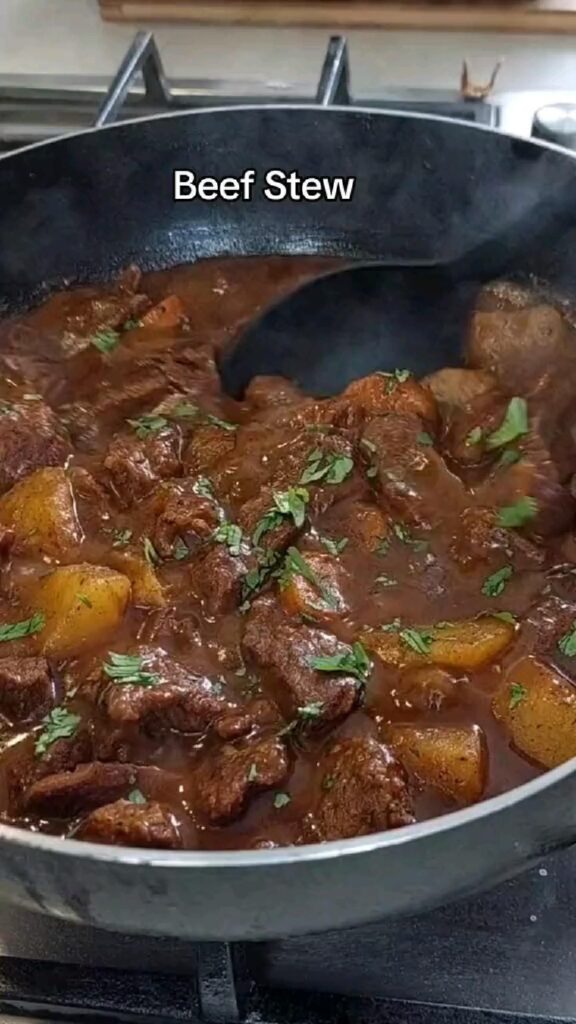
There is a reason beef stew has been a Sunday staple for generations: it takes a tough, affordable cut of meat and transforms it into something silky, rich, and deeply satisfying. This is the version I make when the weather turns cold and everyone in the house is hungry, built on a proper sear, a tomato-and-stock braise, and just enough time in the oven for the beef to fall apart at the touch of a fork.
Advertisements1
The secret is not a long list of ingredients, it is technique. Browning the beef in batches builds a fond on the bottom of the pot that becomes the backbone of the gravy, and adding the vegetables in stages keeps them from turning to mush. By the time this stew comes out of the oven, the sauce coats the back of a spoon and the whole kitchen smells like a hug.
Serve it with crusty bread, buttery mashed potatoes, or simply on its own in a deep bowl. It also happens to taste even better the next day, which makes it a dream for meal prep and leftovers.
Why You'll Love This Recipe
About the Ingredients
3 lb (1.36 kg) beef chuck roast, cut into 1 1/2-inch cubes
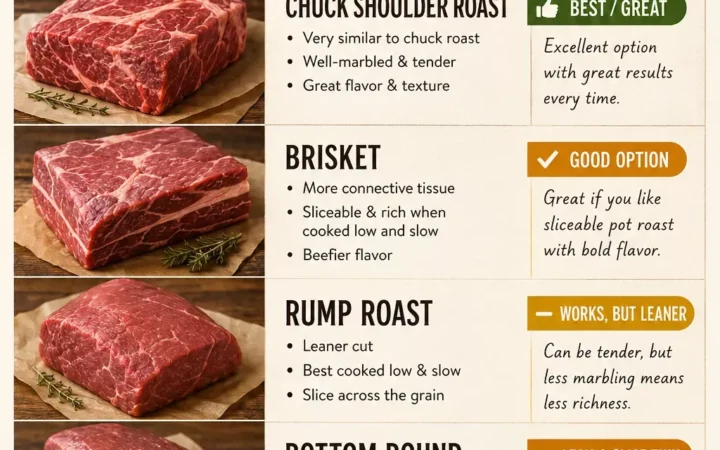
Chuck is ideal because its connective tissue melts into gelatin during the braise. If chuck is unavailable, use boneless short ribs or bottom round, but avoid lean cuts like sirloin, which turn dry.
2 1/2 tsp kosher salt, divided
Kosher salt seasons more evenly than table salt because the flakes are larger. If using fine table salt, reduce the total to about 1 3/4 tsp.
1 1/2 tsp freshly ground black pepper
Freshly ground pepper tastes brighter than pre-ground. A coffee grinder reserved for spices works if you do not own a pepper mill.
3 tbsp olive oil, divided
Use regular, not extra-virgin, olive oil for high-heat searing. Avocado oil or beef tallow are excellent substitutes with a higher smoke point.
2 medium yellow onions, diced (about 2 cups)
Yellow onions give the deepest savory base. Sweet onions work but brown faster, so lower the heat slightly.
4 cloves garlic, minced
Fresh garlic is worth the extra minute here. In a pinch, 1 tsp garlic powder can stand in, added with the flour.
3 tbsp all-purpose flour
Flour thickens the braising liquid into a glossy gravy. For a gluten-free version, use 2 tbsp cornstarch whisked into the cold stock instead.
3 tbsp tomato paste
Tomato paste adds body and a subtle sweetness. Double-concentrate tubes are more intense than canned, so use 2 tbsp if yours is the tube kind.
4 cups (960 ml) low-sodium beef stock
Low-sodium lets you control the final seasoning. Use chicken stock or a dark beer in place of up to 1 cup for a different depth.
1 lb (450 g) Yukon Gold potatoes, cut into 1 1/2-inch chunks
Yukon Golds hold their shape while turning creamy inside. Russets will break down and thicken the stew, which some people love.
4 medium carrots, peeled and cut into 1-inch rounds
Look for carrots that are firm and snap when bent. Parsnips are a lovely swap for half the carrots.
2 bay leaves and 1 tsp dried thyme
Bay and thyme are the classic herb backbone. Fresh thyme is even better, use 1 tbsp of leaves tied in a bundle.
Tips & Tricks
Dry the beef before searing
Pat the cubes completely dry with paper towels. Wet meat steams instead of browning, and the brown crust is where most of the flavor comes from.
Sear in batches, never crowd
If the cubes touch, they release moisture and turn gray. Work in three batches so each piece gets a deep golden crust.
Add potatoes and carrots late
Root vegetables go in during the last 45 minutes so they stay intact instead of dissolving into the gravy.
Cool before storing
Let the stew cool to room temperature within 2 hours, then refrigerate. Hot stew in a sealed container traps steam and waters down the sauce.
Pro Tips
Step-by-Step Instructions
1. Preheat and dry the beef
Heat the oven to 325F (165C) and pat the beef cubes dry with paper towels, then toss with 2 tsp of the salt and all the pepper. Drying is what allows a real crust to form instead of a steamed gray surface.
2. Sear in batches
Heat 1 tbsp oil in a large Dutch oven over medium-high heat until it shimmers, about 2 minutes. Add one third of the beef and sear undisturbed for 3 to 4 minutes per side until deeply golden brown, then transfer to a plate. Repeat with the remaining oil and beef in two more batches.
3. Soften the aromatics
Reduce the heat to medium, add the onions to the pot, and cook for 5 to 6 minutes until translucent and lightly golden, scraping up the browned bits as they loosen. Stir in the garlic and cook 30 seconds until fragrant, not browned.
4. Build the gravy base
Sprinkle the flour over the onions and stir constantly for 1 minute until no dry flour remains. Add the tomato paste and cook 60 seconds until it turns brick red and smells sweet rather than sharp.
5. Deglaze and simmer
Pour in about 1 cup of the stock and scrape the bottom of the pot firmly with a wooden spoon until every dark bit dissolves. Add the remaining stock, the bay leaves, and the thyme, then return the beef and any juices to the pot.
6. Braise low and slow
Cover and transfer to the oven. Braise for 1 hour 30 minutes, until the beef is nearly tender when pierced with a fork but still offers slight resistance at the center.
7. Add the vegetables
Stir in the potatoes and carrots, cover, and return to the oven for 45 to 50 minutes more, until the potatoes are easily pierced with a knife and the beef shreds with almost no pressure. The liquid should be bubbling gently at the edges.
8. Thicken and season
If the gravy looks thin, simmer uncovered on the stovetop over medium heat for 8 to 10 minutes until it coats the back of a spoon. Remove the bay leaves, taste, and stir in the remaining 1/2 tsp salt as needed before serving hot.
Delicious Variations
Red Wine Beef Stew
Replace 1 1/2 cups of the stock with a dry red wine like Cabernet and simmer it with the onions for 3 minutes before adding the rest of the liquid for a deeper, more elegant sauce.
Slow Cooker Version
Sear the beef on the stovetop first, then load everything except the potatoes and carrots into a slow cooker and cook on low for 7 hours, adding the vegetables in the last 2 hours.
Guinness and Root Vegetable Stew
Swap 1 cup of stock for stout beer and add parsnips and turnips alongside the carrots for a malty, Irish-inspired twist.
How to Store Classic Beef Stew
Refrigerator
Store in an airtight container for up to 4 days. The fat will solidify on top overnight, so skim it off before reheating for a cleaner sauce.
Freezer
Freeze in portions for up to 3 months. Thaw overnight in the refrigerator rather than on the counter to keep the potatoes from turning grainy.
Reheating
Warm gently on the stovetop over medium-low heat for 10 to 12 minutes, stirring occasionally, until it reaches 165F (74C). Add a splash of stock or water if the gravy has thickened too much.
Frequently Asked Questions
Q: Why is my beef stew tough?
Tough stew almost always means it was undercooked, not overcooked. Collagen needs sustained heat to melt into gelatin, so keep braising at 325F until the meat shreds with a fork, which can take up to 2 hours 30 minutes total for larger cubes.
Q: What is the best cut of beef for stew?
Chuck roast is the best choice because its heavy marbling and connective tissue break down into a rich, gelatinous gravy. Boneless short ribs, brisket, and bottom round are also excellent, while lean cuts like sirloin or tenderloin turn dry and stringy.
Q: Can I make beef stew in a slow cooker?
Yes, and it works beautifully if you sear the beef first. Brown the meat and onions on the stovetop, transfer to the slow cooker with the stock and seasonings, and cook on low for 7 to 8 hours, adding potatoes and carrots in the last 2 hours so they do not dissolve.
Q: How do I thicken beef stew?
The flour you stir into the onions already thickens the gravy, but if it is still thin, simmer uncovered for 8 to 10 minutes to reduce it. For a faster fix, whisk 1 tbsp cornstarch with 2 tbsp cold water and stir it in, simmering 2 minutes until glossy.
Q: Can you overcook beef stew?
You can overcook the vegetables long before the beef suffers, which is why potatoes and carrots go in late. If the beef is tender but the vegetables are mushy, next time add them with only 45 minutes left and keep the oven at 325F.
If you make this Classic Beef Stew, I would love to hear how it turned out. Leave a comment with your favorite variation, snap a photo for Instagram, and save this recipe so the next cold night is already handled.
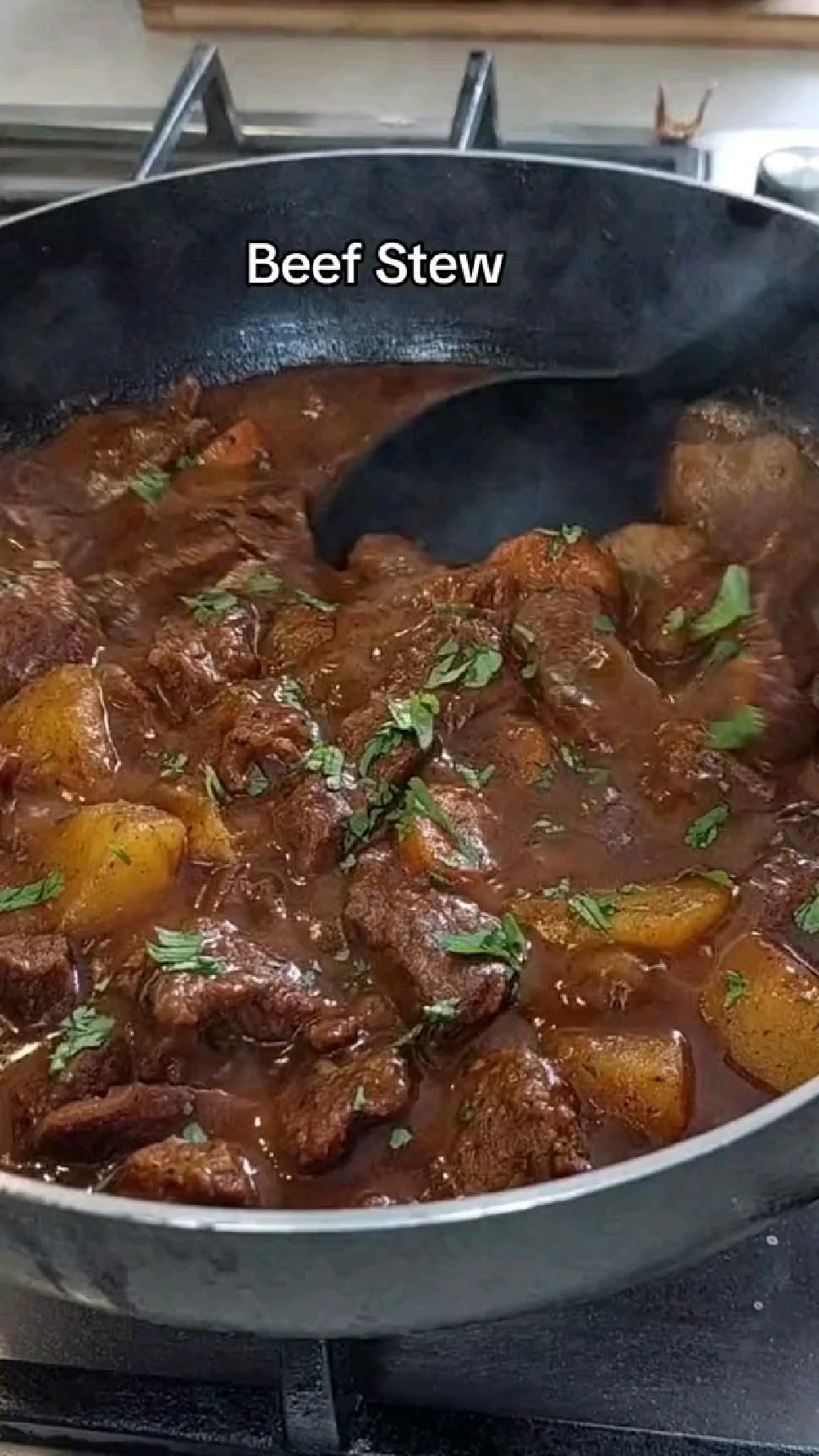
Classic Beef Stew
Classic Beef Stew delivers fork-tender chuck and vegetables in a deep, savory gravy, a hearty one-pot dinner that warms you from the inside out.
🧂 Ingredients
- 3 lb (1.36 kg) beef chuck roast, cut into 1 1/2-inch cubes
- 2 1/2 tsp kosher salt, divided
- 1 1/2 tsp freshly ground black pepper
- 3 tbsp olive oil, divided
- 2 medium yellow onions, diced (about 2 cups)
- 4 cloves garlic, minced
- 3 tbsp all-purpose flour
- 3 tbsp tomato paste
- 4 cups (960 ml) low-sodium beef stock
- 1 lb (450 g) Yukon Gold potatoes, cut into 1 1/2-inch chunks
- 4 medium carrots, peeled and cut into 1-inch rounds
- 2 bay leaves and 1 tsp dried thyme
📋 Instructions
- 1Preheat and dry the beef — Heat the oven to 325F (165C) and pat the beef cubes dry with paper towels, then toss with 2 tsp of the salt and all the pepper. Drying is what allows a real crust to form instead of a steamed gray surface.
- 2Sear in batches — Heat 1 tbsp oil in a large Dutch oven over medium-high heat until it shimmers, about 2 minutes. Add one third of the beef and sear undisturbed for 3 to 4 minutes per side until deeply golden brown, then transfer to a plate. Repeat with the remaining oil and beef in two more batches.
- 3Soften the aromatics — Reduce the heat to medium, add the onions to the pot, and cook for 5 to 6 minutes until translucent and lightly golden, scraping up the browned bits as they loosen. Stir in the garlic and cook 30 seconds until fragrant, not browned.
- 4Build the gravy base — Sprinkle the flour over the onions and stir constantly for 1 minute until no dry flour remains. Add the tomato paste and cook 60 seconds until it turns brick red and smells sweet rather than sharp.
- 5Deglaze and simmer — Pour in about 1 cup of the stock and scrape the bottom of the pot firmly with a wooden spoon until every dark bit dissolves. Add the remaining stock, the bay leaves, and the thyme, then return the beef and any juices to the pot.
- 6Braise low and slow — Cover and transfer to the oven. Braise for 1 hour 30 minutes, until the beef is nearly tender when pierced with a fork but still offers slight resistance at the center.
- 7Add the vegetables — Stir in the potatoes and carrots, cover, and return to the oven for 45 to 50 minutes more, until the potatoes are easily pierced with a knife and the beef shreds with almost no pressure. The liquid should be bubbling gently at the edges.
- 8Thicken and season — If the gravy looks thin, simmer uncovered on the stovetop over medium heat for 8 to 10 minutes until it coats the back of a spoon. Remove the bay leaves, taste, and stir in the remaining 1/2 tsp salt as needed before serving hot.