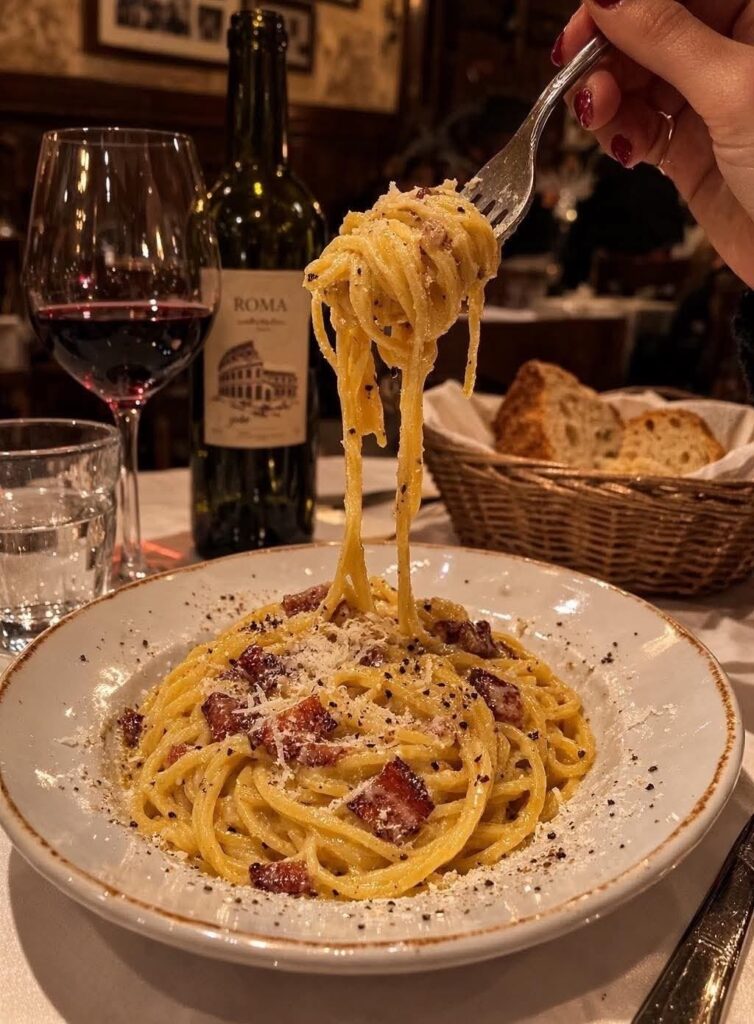
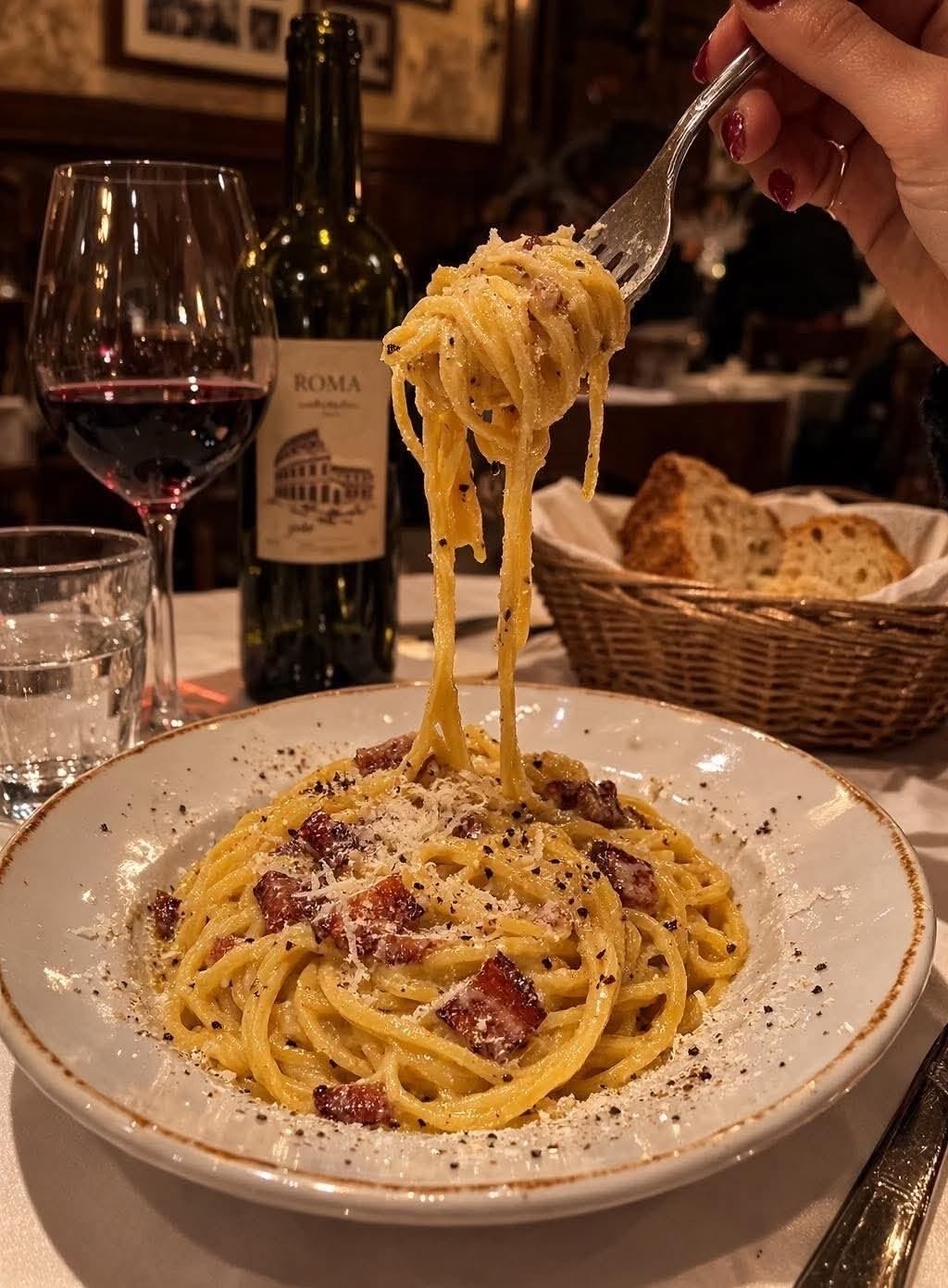
This is the pasta I make when the fridge looks empty but the family still expects dinner. Spaghetti tossed with crispy bacon, a glossy egg-and-parmesan sauce, and just enough starchy pasta water to make everything cling to every strand. It's carbonara's friendlier cousin: no raw-egg anxiety, no cream, just technique.
Advertisements1
The trick is temperature control. The sauce thickens from the residual heat of the pasta and the pan, never from a rolling boil, so the eggs turn velvety instead of scrambled. Cook the bacon until deeply crisp so its fat becomes the base of the sauce, and grate the parmesan finely so it melts into the eggs without clumping.
The whole thing comes together in about 35 minutes with one pot and one skillet, which is why it's on repeat in our house on weeknights. Serve it immediately, in warm bowls, with extra parmesan and a crack of black pepper on the table next to the pan.
Why You'll Love This Recipe
About the Ingredients
12 oz (340 g) spaghetti
Use a good bronze-die brand for a rougher surface that grips the sauce. In a pinch, linguine or bucatini work beautifully; avoid angel hair, which overcooks before the sauce is ready.
8 oz (225 g) thick-cut bacon, cut into 1/2-inch pieces
Thick-cut bacon renders more slowly and stays crisp in the sauce. For a smoky alternative, use pancetta or guanciale; for a pork-free version, turkey bacon works but add 1 tablespoon olive oil to the pan.
3 large eggs plus 1 egg yolk, room temperature
Room-temperature eggs blend more smoothly into the cheese and are less likely to seize. If you only have cold eggs, rest them in warm water for 10 minutes before whisking.
1 1/2 cups (150 g) finely grated Parmigiano-Reggiano
Grate it yourself on a microplane; pre-shredded cheese contains anti-caking starch that makes the sauce grainy. Pecorino Romano is a sharper, saltier swap, so reduce added salt.
2 garlic cloves, lightly smashed
Smashing rather than mincing keeps the garlic from burning and turning bitter. Leave the cloves whole and fish them out, or use 1/4 teaspoon garlic powder stirred into the egg mixture.
1/2 teaspoon freshly cracked black pepper, plus more to serve
Crack pepper fresh for aromatics; pre-ground loses its bite fast. Toast it briefly in the bacon fat for 20 seconds to bloom the flavor before adding the pasta.
1/2 cup (50 g) reserved pasta water, plus more as needed
Starchy pasta water is the emulsifier that makes the sauce glossy. Scoop it out right before draining; if you forget, a splash of hot tap water plus a pinch of cornstarch is a decent rescue.
1/4 teaspoon kosher salt, plus more for the pasta water
Bacon and parmesan are already salty, so season lightly and taste at the end. Use 1 tablespoon salt per 4 quarts of boiling water for the pasta itself.
2 tablespoons chopped fresh flat-leaf parsley, optional
Parsley adds a fresh green lift against the richness. Thin-sliced scallion greens or a pinch of lemon zest are bright alternatives.
Tips & Tricks
- Never add the egg mixture to a screaming-hot pan: pull the skillet off the heat for 30 seconds first, or the eggs will scramble into curds instead of turning creamy.
- Reserve more pasta water than you think you need. The sauce tightens as it sits, and a splash of hot water brings it back to a glossy coating.
- Cook the bacon low and slow so the fat renders fully before it browns; high heat browns the outside while leaving chewy, unrendered fat inside.
- Grate the parmesan as finely as possible. Coarse shreds won't melt evenly and leave a grainy texture in the finished sauce.
Pro Tips
Step-by-Step Instructions
1. Boil the pasta
Bring 4 quarts of water to a rolling boil (212°F / 100°C) with 1 tablespoon kosher salt. Add the spaghetti and cook 1 minute less than the package directions, about 8 to 9 minutes, until just shy of al dente with a firm bite at the center.
2. Crisp the bacon
While the pasta cooks, place the bacon in a cold 12-inch skillet over medium-low heat (about 300°F / 150°C) and cook 8 to 10 minutes, stirring occasionally, until deeply golden brown and crisp with rendered, translucent fat. Add the smashed garlic for the last 2 minutes, then fish out and discard it.
3. Whisk the sauce
In a medium bowl, whisk the 3 eggs, 1 egg yolk, grated parmesan, and 1/2 teaspoon black pepper until it forms a thick, uniform paste. It should look like loose peanut butter; set aside near the stove.
4. Reserve pasta water
Scoop out 1 cup of the starchy pasta water and set it aside, then drain the spaghetti in a colander. Do not rinse; the surface starch is what helps the sauce cling.
5. Combine off heat
Slide the skillet off the burner and let it cool for 30 seconds, then add the hot drained pasta to the bacon and fat and toss to coat. Pour in the egg mixture and 1/2 cup pasta water, tossing vigorously with tongs for 60 to 90 seconds until the sauce turns creamy, glossy, and clings to every strand; add more pasta water 1 tablespoon at a time if it looks tight.
6. Season and serve
Taste and add the 1/4 teaspoon salt only if needed, then fold in the parsley. Divide among warm bowls and finish with extra parmesan and cracked pepper. The sauce should look like a loose custard, never dry or clumped.
Delicious Variations
Spicy Calabrian version
add 1 teaspoon crushed red pepper flakes to the bacon fat and finish with a drizzle of chili oil.
Mushroom and pea swap
replace half the bacon with 8 oz sliced cremini mushrooms browned in the fat and stir in 1 cup frozen peas at the end.
Lemon-parmesan twist
add the zest of 1 lemon and 1 tablespoon lemon juice to the egg mixture for a brighter, lighter sauce.
How to Store Creamy Parmesan Bacon Spaghetti
Refrigerator
Store leftovers in an airtight container for up to 3 days; press plastic wrap onto the surface to limit drying.
Freezer
Freezing is not recommended because the egg sauce separates and turns grainy; the bacon and pasta can be frozen before saucing for up to 1 month.
Reheating
Reheat gently in a skillet over low heat (about 250°F / 120°C) with 1 to 2 tablespoons of water, tossing constantly until loosened, about 3 minutes; never microwave on high or the sauce will curdle.
Frequently Asked Questions
Q: Do you put cream in spaghetti with bacon and parmesan?
No, authentic versions use no cream; the creaminess comes from eggs, parmesan, and starchy pasta water. Adding cream dulls the parmesan flavor, though a splash of heavy cream can rescue a sauce that has turned grainy.
Q: Why did my egg sauce turn scrambled?
The pan was too hot when the eggs went in. Take the skillet off the heat, let it rest 30 seconds, and toss the pasta with the egg mixture off the burner, using the pasta's residual heat to cook the eggs gently to a custard texture.
Q: Can I make this spaghetti recipe without eggs?
Yes, you can make a cream-based version by whisking 1/2 cup heavy cream with the parmesan and simmering it 2 minutes with the bacon fat. It won't have the same silky egg emulsion, but it's rich and reliable.
Q: How much pasta water should I add to the sauce?
Start with 1/2 cup and add more a tablespoon at a time until the sauce coats the back of a spoon. Too little and the sauce is pasty; too much and it turns soupy, but it thickens again as it stands.
Q: Is it safe to eat pasta with raw eggs in the sauce?
The eggs are gently cooked by the residual heat of the hot pasta and pan, reaching a safe, custardy consistency. For extra caution, use pasteurized eggs or keep the sauce at 160°F (71°C) briefly while tossing off the heat.
If you make this Creamy Parmesan Bacon Spaghetti, snap a photo of that glossy, bacon-studded twirl and tag me, because this is one of those dinners that looks far fancier than the 35 minutes it took. Save the recipe, share it with the person who always asks what's for dinner, and let me know in the comments which variation you tried first.
Creamy Parmesan Bacon Spaghetti
Creamy Parmesan Bacon Spaghetti turns crispy bacon, silky egg-parmesan sauce and starchy pasta water into a rich 30-minute dinner everyone devours.
🧂 Ingredients
- 12 oz (340 g) spaghetti
- 8 oz (225 g) thick-cut bacon, cut into 1/2-inch pieces
- 3 large eggs plus 1 egg yolk, room temperature
- 1 1/2 cups (150 g) finely grated Parmigiano-Reggiano
- 2 garlic cloves, lightly smashed
- 1/2 teaspoon freshly cracked black pepper, plus more to serve
- 1/2 cup (50 g) reserved pasta water, plus more as needed
- 1/4 teaspoon kosher salt, plus more for the pasta water
- 2 tablespoons chopped fresh flat-leaf parsley, optional
📋 Instructions
- 1Boil the pasta — Bring 4 quarts of water to a rolling boil (212°F / 100°C) with 1 tablespoon kosher salt. Add the spaghetti and cook 1 minute less than the package directions, about 8 to 9 minutes, until just shy of al dente with a firm bite at the center.
- 2Crisp the bacon — While the pasta cooks, place the bacon in a cold 12-inch skillet over medium-low heat (about 300°F / 150°C) and cook 8 to 10 minutes, stirring occasionally, until deeply golden brown and crisp with rendered, translucent fat. Add the smashed garlic for the last 2 minutes, then fish out and discard it.
- 3Whisk the sauce — In a medium bowl, whisk the 3 eggs, 1 egg yolk, grated parmesan, and 1/2 teaspoon black pepper until it forms a thick, uniform paste. It should look like loose peanut butter; set aside near the stove.
- 4Reserve pasta water — Scoop out 1 cup of the starchy pasta water and set it aside, then drain the spaghetti in a colander. Do not rinse; the surface starch is what helps the sauce cling.
- 5Combine off heat — Slide the skillet off the burner and let it cool for 30 seconds, then add the hot drained pasta to the bacon and fat and toss to coat. Pour in the egg mixture and 1/2 cup pasta water, tossing vigorously with tongs for 60 to 90 seconds until the sauce turns creamy, glossy, and clings to every strand; add more pasta water 1 tablespoon at a time if it looks tight.
- 6Season and serve — Taste and add the 1/4 teaspoon salt only if needed, then fold in the parsley. Divide among warm bowls and finish with extra parmesan and cracked pepper. The sauce should look like a loose custard, never dry or clumped.