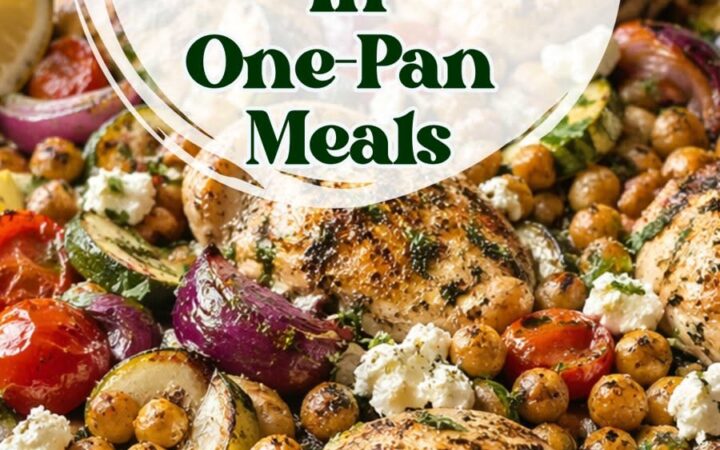
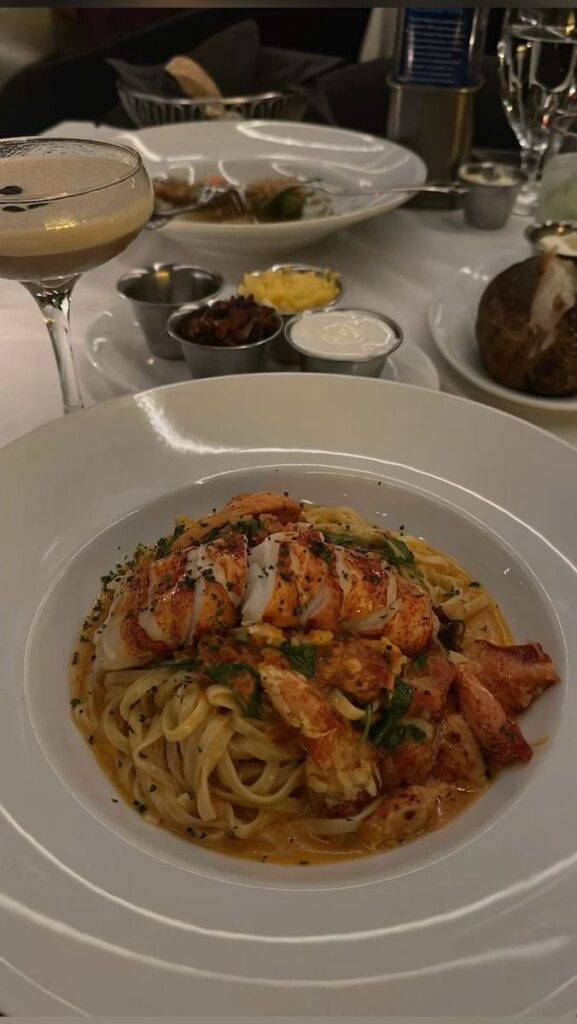
There is something about a white plate piled with glossy linguine and plump pink shrimp, wine glasses catching the light beside it, that makes a Tuesday feel like a celebration. This garlic butter shrimp pasta with white wine gets you there in about 50 minutes start to finish, and most of that is waiting for water to boil.
Advertisements1
The sauce is the secret: dry white wine deglazed into the shrimp fond, then finished with cold butter and a splash of pasta water until it turns creamy without a drop of cream. Fresh lemon and parsley keep it bright so you can eat a full bowl and still feel light.
Serve it straight from the stove with the same wine you cooked with, a green salad, and torn bread for the sauce. It is the kind of low-effort, high-reward plate that becomes your default dinner-party move.
Why You'll Love This Recipe
About the Ingredients
12 oz (340 g) linguine or spaghetti
Linguine holds this buttery sauce best because the strands stay separate. In a pinch, bucatini or fettuccine work; avoid angel hair, which overcooks before the sauce is ready.
1 1/2 lb (680 g) large raw shrimp, peeled and deveined, tails on or off
Frozen raw shrimp thawed overnight in the fridge is just as good as fresh and often cheaper. Look for 21-25 count per pound so they stay juicy; skip pre-cooked shrimp, which turn rubbery in the pan.
4 tbsp (56 g) unsalted butter, divided
You need cold butter at the end to emulsify the sauce, so cut it into cubes and keep it chilled. Salted butter works if you cut the added salt in half.
3 tbsp olive oil
Regular (not extra-virgin) olive oil handles the high sear better. Any neutral oil like avocado or canola is a fine substitute.
5 garlic cloves, thinly sliced
Sliced garlic sweetens gently instead of burning like minced garlic does. Jarred garlic is a last resort; it tastes flatter here.
1/2 tsp red pepper flakes
Adjust to your heat tolerance; Aleppo pepper gives a fruitier, milder kick. Add half at the start and taste before adding the rest.
3/4 cup (180 ml) dry white wine, such as Pinot Grigio or Sauvignon Blanc
Use a wine you would actually drink, and avoid anything labeled cooking wine, which is salty. No wine? Substitute 3/4 cup low-sodium chicken broth plus 1 tbsp lemon juice.
1 cup (240 ml) reserved pasta water
Scoop it out before draining, since the starch is what thickens the sauce. If you forget, a splash of hot tap water plus a pinch of cornstarch works in a pinch.
1/2 cup (50 g) finely grated Parmesan
Grate it fresh from a block; pre-shredded cheese clumps instead of melting. Pecorino Romano is a sharper, saltier swap.
1 lemon, zested and juiced
Zest before juicing, and only take the yellow layer, since the white pith is bitter. Bottled lemon juice lacks the oils that make this taste fresh.
1/3 cup chopped fresh parsley, plus more to serve
Flat-leaf parsley is more flavorful than curly. Basil or a mix of parsley and chives also works.
Kosher salt and black pepper to taste
Season the pasta water generously, about 1 tbsp salt per 4 quarts, so the noodles are seasoned from the inside. Taste the sauce before adding more, since Parmesan is salty.
Tips & Tricks
Do not crowd the shrimp
sear in a single layer over medium-high heat so they brown instead of steaming. Cook in two batches if your skillet is smaller than 12 inches.
Pull the shrimp out early
they finish cooking in the hot sauce, so take them off the heat at 120F (49C) and let carryover heat bring them to 145F (63C).
- Save more pasta water than you think you need: the sauce tightens fast off the heat, and starchy water is the only thing that loosens it without diluting flavor.
- Cook the pasta one minute shy of al dente: it finishes in the sauce and absorbs flavor instead of turning mushy.
Pro Tips
Step-by-Step Instructions
1. Boil the pasta
Bring 4 quarts of generously salted water to a rolling boil and cook the linguine 1 minute less than the package directions, about 9 minutes for dried linguine. Before draining, scoop out 1 cup of pasta water and set it aside.
2. Season the shrimp
While the water heats, pat the shrimp very dry with paper towels and toss with 1/2 tsp salt and a few grinds of pepper. Dry shrimp are the difference between a golden sear and a watery gray pan.
3. Sear the shrimp
Heat 2 tbsp olive oil in a 12-inch skillet over medium-high heat until it shimmers, about 2 minutes. Add the shrimp in a single layer and cook 60 to 90 seconds per side, until pink and opaque at the center and just curled, then transfer to a plate.
4. Bloom the garlic
Lower the heat to medium, add the remaining 1 tbsp oil, the garlic, and the red pepper flakes, and cook 45 to 60 seconds, stirring constantly, until fragrant and pale gold. Do not let the garlic brown or the sauce will taste bitter.
5. Deglaze with wine
Pour in the white wine and simmer 3 to 4 minutes, scraping up the browned bits, until the liquid reduces by half and smells of fruit rather than alcohol. You should see the bottom of the pan between bubbles.
6. Build the sauce
Add 1/2 cup pasta water and bring to a gentle simmer. Add the drained pasta and toss for 1 to 2 minutes over medium heat, until the strands are coated and the liquid looks slightly thickened.
7. Emulsify with butter
Turn off the heat, add the cold cubed butter and Parmesan, and toss vigorously for 30 to 45 seconds until the sauce turns creamy and clings to the pasta. Add pasta water a splash at a time if it looks tight.
8. Finish and plate
Return the shrimp and any juices, then stir in the lemon zest, 1 tbsp lemon juice, and parsley. Taste, adjust salt and pepper, and serve on warm white plates with extra parsley and lemon wedges.
Delicious Variations
Spicy Arrabbiata Shrimp
double the red pepper flakes and add 1 cup crushed tomatoes with the wine for a red sauce version.
Lemon-Dill Shrimp Pasta
swap the parsley for fresh dill and add 1 tsp Dijon mustard with the butter for a tangy, Scandinavian-style sauce.
Scallop and Shrimp Scampi
replace half the shrimp with 3/4 lb bay scallops, searing them 1 minute per side so they stay tender.
How to Store Garlic Butter Shrimp Pasta with White Wine
Refrigerator
Store leftovers in an airtight container in the refrigerator for up to 3 days. Keep the shrimp and pasta together; the sauce will thicken when cold.
Freezer
Freezing is not recommended because the shrimp turn rubbery and the pasta goes soft. If you must, freeze the sauce and shrimp alone for up to 1 month and cook fresh pasta to serve.
Reheating
Reheat gently in a covered skillet over medium-low heat with 1 to 2 tbsp water, tossing for 3 to 4 minutes until hot. Avoid the microwave, which overcooks the shrimp.
Frequently Asked Questions
Q: Can I make this shrimp pasta without wine?
Yes, substitute 3/4 cup low-sodium chicken broth mixed with 1 tbsp lemon juice for the wine. Simmer it the same way to reduce by half; the sauce will be slightly less complex but still buttery and bright.
Q: How do I know when shrimp are fully cooked?
Shrimp are done when they are opaque pink all the way through and curled into a loose C shape, with an internal temperature of 145F (63C). A tight O shape means they are overcooked, so pull them early and let the sauce finish them.
Q: Why did my garlic butter sauce turn greasy?
The sauce breaks when the heat is too high or the butter is added to a boiling pan. Turn the burner off before swirling in cold butter and keep tossing so it emulsifies with the starchy pasta water.
Q: Can I use frozen shrimp for this recipe?
Yes, thaw raw frozen shrimp overnight in the refrigerator and pat them completely dry before searing. Never thaw them in warm water, which makes them waterlogged and prevents browning.
Q: What should I serve with garlic butter shrimp pasta?
Serve it with a simple green salad, crusty bread to soak up the sauce, and a glass of the same dry white wine you cooked with. Steamed broccoli or asparagus also balances the richness.
If you make this garlic butter shrimp pasta, pour a glass of that white wine, plate it on your best white dishes, and tell me how it turned out in the comments. Snap a photo and tag me, because a glossy bowl of shrimp and linguine deserves to be shown off.
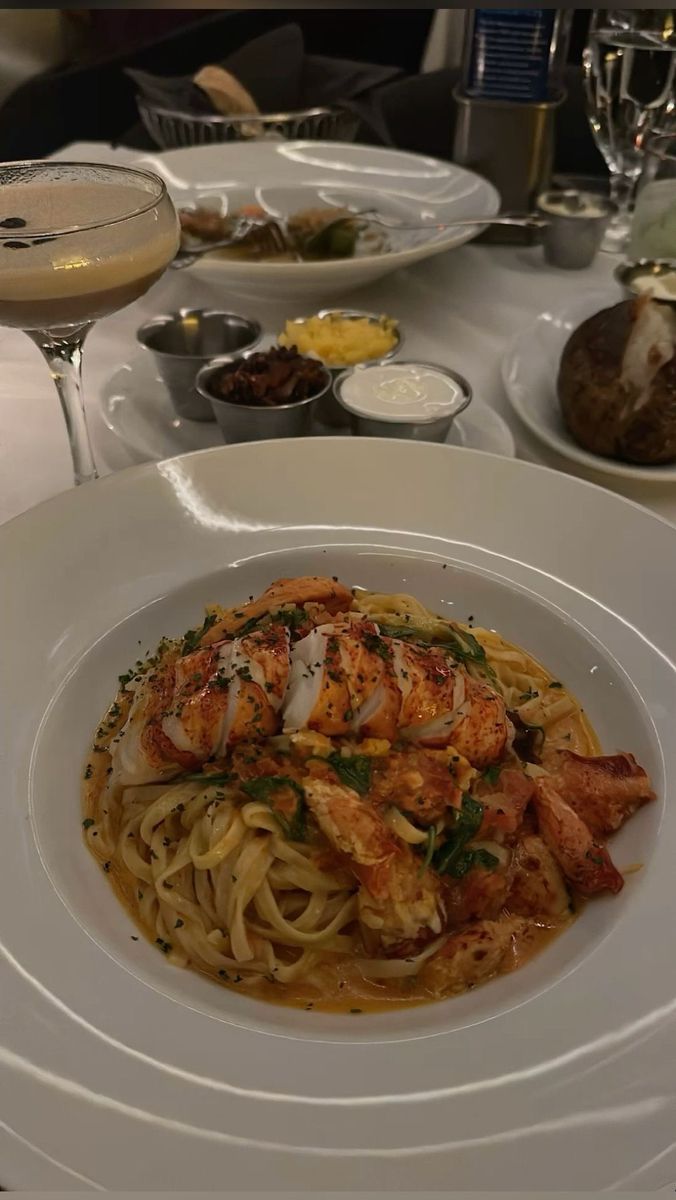
Garlic Butter Shrimp Pasta with White Wine
Garlic Butter Shrimp Pasta with White Wine is a silky 30-minute dinner that turns pantry linguine and frozen shrimp into a restaurant-worthy plate.
🧂 Ingredients
- 12 oz (340 g) linguine or spaghetti
- 1 1/2 lb (680 g) large raw shrimp, peeled and deveined, tails on or off
- 4 tbsp (56 g) unsalted butter, divided
- 3 tbsp olive oil
- 5 garlic cloves, thinly sliced
- 1/2 tsp red pepper flakes
- 3/4 cup (180 ml) dry white wine, such as Pinot Grigio or Sauvignon Blanc
- 1 cup (240 ml) reserved pasta water
- 1/2 cup (50 g) finely grated Parmesan
- 1 lemon, zested and juiced
- 1/3 cup chopped fresh parsley, plus more to serve
- Kosher salt and black pepper to taste
📋 Instructions
- 1Boil the pasta — Bring 4 quarts of generously salted water to a rolling boil and cook the linguine 1 minute less than the package directions, about 9 minutes for dried linguine. Before draining, scoop out 1 cup of pasta water and set it aside.
- 2Season the shrimp — While the water heats, pat the shrimp very dry with paper towels and toss with 1/2 tsp salt and a few grinds of pepper. Dry shrimp are the difference between a golden sear and a watery gray pan.
- 3Sear the shrimp — Heat 2 tbsp olive oil in a 12-inch skillet over medium-high heat until it shimmers, about 2 minutes. Add the shrimp in a single layer and cook 60 to 90 seconds per side, until pink and opaque at the center and just curled, then transfer to a plate.
- 4Bloom the garlic — Lower the heat to medium, add the remaining 1 tbsp oil, the garlic, and the red pepper flakes, and cook 45 to 60 seconds, stirring constantly, until fragrant and pale gold. Do not let the garlic brown or the sauce will taste bitter.
- 5Deglaze with wine — Pour in the white wine and simmer 3 to 4 minutes, scraping up the browned bits, until the liquid reduces by half and smells of fruit rather than alcohol. You should see the bottom of the pan between bubbles.
- 6Build the sauce — Add 1/2 cup pasta water and bring to a gentle simmer. Add the drained pasta and toss for 1 to 2 minutes over medium heat, until the strands are coated and the liquid looks slightly thickened.
- 7Emulsify with butter — Turn off the heat, add the cold cubed butter and Parmesan, and toss vigorously for 30 to 45 seconds until the sauce turns creamy and clings to the pasta. Add pasta water a splash at a time if it looks tight.
- 8Finish and plate — Return the shrimp and any juices, then stir in the lemon zest, 1 tbsp lemon juice, and parsley. Taste, adjust salt and pepper, and serve on warm white plates with extra parsley and lemon wedges.