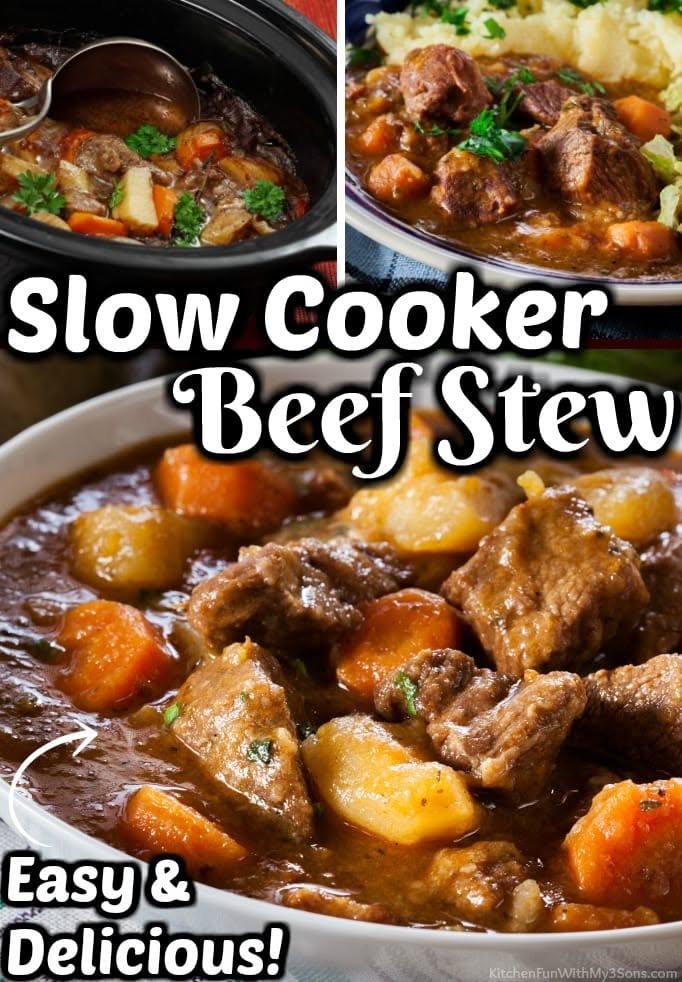
Slow Cooker Beef Stew tastes like a Sunday afternoon in a bowl: deep, savory gravy clinging to butter-soft Yukon gold potatoes, sweet carrots that give way under a spoon, and chunks of beef so tender they pull apart with barely a nudge. The first whiff when you lift the lid, all thyme, tomato and caramelized onion, is the kind of thing that makes people wander into the kitchen asking what smells so good.
Advertisements1
The secret is a five-minute sear before anything goes into the crock. Browning the beef in batches at 450°F (230°C) oven heat isn't necessary here, but a screaming-hot skillet gives you that golden crust and the fond that turns a thin broth into something glossy and meaty. Then the slow cooker does the quiet work while you get on with your day.
I keep the ingredient list honest, pantry-friendly, and short enough to shop for on the way home. Everything below is something you likely already have, with a swap noted for anything that might not be in your cupboard.
Why You'll Love This Recipe
About the Ingredients
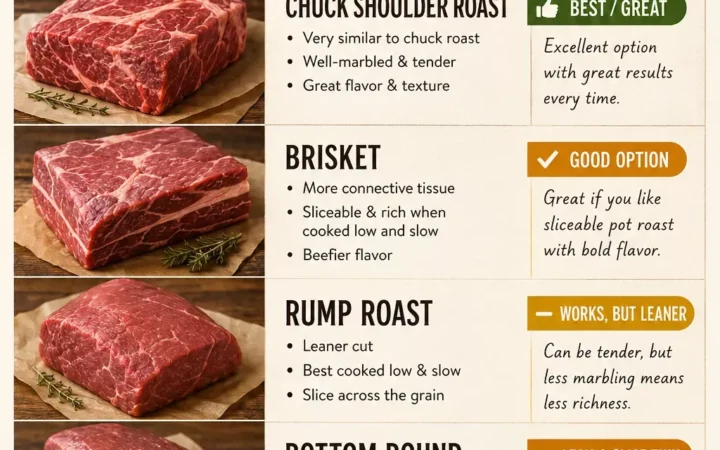
2.5 lbs (1.1 kg) beef chuck roast, cut into 1.5-inch cubes
Chuck is the ideal cut because its marbling melts into the gravy. If chuck is unavailable, use boneless short ribs or bottom round, but add 30 extra minutes of cook time for round.
2 tbsp (30 ml) vegetable oil, divided
A high-smoke-point oil is key for a proper sear. Avocado oil or light olive oil works beautifully if you don't keep vegetable oil on hand.
1 large yellow onion, diced (about 1.5 cups / 210g)
Yellow onion gives the deepest sweetness once softened. Sweet onion is a fine substitute if you prefer a milder finish.
3 medium carrots, cut into 1-inch coins (about 2 cups / 260g)
Look for carrots that snap cleanly when bent for the sweetest flavor. Parsnips make a lovely earthy swap if you want to change things up.
1.5 lbs (680g) Yukon Gold potatoes, cut into 1.5-inch chunks
Yukon Golds turn creamy and buttery without falling apart. If you only have russets, cut them larger and add them 30 minutes later so they don't dissolve.
3 cloves garlic, minced (about 1 tbsp)
Fresh garlic is worth it here, but 1 tsp of garlic powder can stand in if you're out, stirred in with the broth.
3 tbsp (24g) all-purpose flour
Flour thickens the braising liquid into a proper gravy. For a gluten-free version, swap in 1.5 tbsp cornstarch whisked into the broth at the end.
2 tbsp (33g) tomato paste
Tomato paste adds body and a subtle sweetness. Sun-dried tomato paste is a rich substitute if you have a jar open.
3 cups (720 ml) low-sodium beef broth
Low-sodium lets you control the seasoning. Use vegetable broth plus 1 tbsp soy sauce for a lighter but still savory alternative.
1 tbsp (15 ml) Worcestershire sauce
This is the umami backbone of the gravy. Soy sauce or coconut aminos work as a substitute in a pinch.
1 tsp dried thyme, 1 tsp smoked paprika, 2 bay leaves
Smoked paprika brings a gentle campfire note. Regular paprika plus a pinch of cumin is a solid stand-in.
1.5 tsp kosher salt and 1 tsp black pepper, plus more to taste
Season the beef before searing, not after, so the salt penetrates. Fine sea salt can replace kosher at about two-thirds the volume.
Tips & Tricks
Don't Skip the Sear
Browning in batches at high heat builds the flavor base; crowd the pan and the beef steams instead of caramelizing.
Layer Potatoes on the Bottom
Nestling the Yukon Golds under the beef keeps them submerged in liquid so they cook evenly and never dry out.
Resist Lifting the Lid
Every peek releases trapped heat and adds 20 minutes to your cook time, so trust the slow cooker.
Thicken at the End, Not the Start
If the gravy looks thin, whisk 1 tbsp cornstarch with 2 tbsp cold water and stir it in for the last 30 minutes on High.
Pro Tips
Step-by-Step Instructions
1. Pat and Season the Beef
Pat the beef cubes completely dry with paper towels and toss them with the kosher salt and black pepper. Dry meat is the difference between a golden crust and a gray, steamed surface.
2. Sear in Batches
Heat 1 tbsp of oil in a large skillet over medium-high heat until it shimmers, about 350°F (175°C). Sear half the beef for 3 to 4 minutes per side until deeply golden brown, then transfer to the slow cooker and repeat with the remaining oil and beef.
3. Soften the Aromatics
Lower the heat to medium and cook the onion and carrots in the same skillet for 4 to 5 minutes until the onion turns translucent and the edges soften. Add the garlic and tomato paste and stir for 30 seconds until fragrant and brick-red.
4. Build the Gravy
Sprinkle the flour over the vegetables and stir for 1 minute until no dry streaks remain, then pour in the broth and Worcestershire, scraping up every browned bit from the pan. The liquid should look glossy and slightly thickened.
5. Layer the Slow Cooker
Spoon the potatoes into the bottom of the slow cooker, then add the seared beef and pour the vegetable-broth mixture over the top. Tuck in the bay leaves and scatter the thyme and smoked paprika.
6. Cook Low and Slow
Cover and cook on Low for 7 to 8 hours or on High for 4 to 5 hours, until the beef shreds with a fork and the potatoes are fork-tender. The gravy should bubble gently at the edges when you lift the lid.
7. Finish and Taste
Discard the bay leaves, then taste and adjust salt and pepper. If the gravy is looser than you like, mash a few potato chunks against the side of the pot to thicken it naturally.
8. Rest and Serve
Let the stew rest uncovered for 10 minutes so the gravy settles and clings to the meat. Ladle into deep bowls with crusty bread for mopping.
Delicious Variations
Red Wine Mushroom Stew
Swap 1 cup of the broth for dry red wine and add 8 oz sliced cremini mushrooms with the onions for a deeper, more elegant pot.
Herby Mediterranean Version
Stir in 1 tsp dried oregano, a pinch of cinnamon, and a squeeze of lemon at the end for a warmer, brighter profile.
Creamy Paprika Stew
Stir 1/2 cup sour cream into the finished stew off the heat for a silky, paprika-forward bowl that's lovely over egg noodles.
How to Store Slow Cooker Beef Stew
Refrigerator
Store in an airtight container in the refrigerator for up to 4 days; the flavor actually deepens overnight.
Freezer
Freeze in portioned containers for up to 3 months, leaving 1 inch of headspace; thaw overnight in the refrigerator before reheating.
Reheating
Reheat gently on the stovetop over medium-low heat for 8 to 10 minutes, adding a splash of broth if the gravy has thickened too much.
Frequently Asked Questions
Q: Can I put raw beef straight into the slow cooker for stew?
Yes, you can, but searing it first is what gives the stew its deep, roasted flavor and richer color. Skipping the sear saves 10 minutes but leaves the gravy noticeably flatter and paler.
Q: Why did my beef stew turn out tough?
Tough beef usually means the cut was too lean or the cook time was too short, since chuck needs long, gentle heat to break down its connective tissue. Stick with chuck and give it the full 7 to 8 hours on Low.
Q: Do I need to brown the meat before slow cooking?
Browning is not strictly required for safety, but it is required for flavor. The Maillard reaction on the beef's surface is where the savory, roasted notes in the gravy come from, so don't skip it.
Q: Can I add the potatoes at the start or should they go in later?
Yukon Golds can go in at the start as long as they sit at the bottom of the pot and stay submerged. If you're using russets, add them in the last 2 hours on Low so they don't turn to mush.
Q: How do I thicken beef stew that came out watery?
Whisk 1 tbsp cornstarch with 2 tbsp cold water and stir it into the pot during the last 30 minutes on High. You can also mash a few potato chunks against the side of the slow cooker for a natural, gluten-free thickener.
Give this slow cooker beef stew a try this week and let the smell do the welcoming for you. If you make it, I'd love to hear how your family liked it, so leave a comment and a star rating below. Taste as you go, trust your tongue.
Slow Cooker Beef Stew
Slow Cooker Beef Stew delivers fork-tender pan-seared beef and fluffy Yukon potatoes in a rich, herb-scented gravy you can set and forget.
🧂 Ingredients
- 2.5 lbs (1.1 kg) beef chuck roast, cut into 1.5-inch cubes
- 2 tbsp (30 ml) vegetable oil, divided
- 1 large yellow onion, diced (about 1.5 cups / 210g)
- 3 medium carrots, cut into 1-inch coins (about 2 cups / 260g)
- 1.5 lbs (680g) Yukon Gold potatoes, cut into 1.5-inch chunks
- 3 cloves garlic, minced (about 1 tbsp)
- 3 tbsp (24g) all-purpose flour
- 2 tbsp (33g) tomato paste
- 3 cups (720 ml) low-sodium beef broth
- 1 tbsp (15 ml) Worcestershire sauce
- 1 tsp dried thyme, 1 tsp smoked paprika, 2 bay leaves
- 1.5 tsp kosher salt and 1 tsp black pepper, plus more to taste
📋 Instructions
- 1Pat and Season the Beef — Pat the beef cubes completely dry with paper towels and toss them with the kosher salt and black pepper. Dry meat is the difference between a golden crust and a gray, steamed surface.
- 2Sear in Batches — Heat 1 tbsp of oil in a large skillet over medium-high heat until it shimmers, about 350°F (175°C). Sear half the beef for 3 to 4 minutes per side until deeply golden brown, then transfer to the slow cooker and repeat with the remaining oil and beef.
- 3Soften the Aromatics — Lower the heat to medium and cook the onion and carrots in the same skillet for 4 to 5 minutes until the onion turns translucent and the edges soften. Add the garlic and tomato paste and stir for 30 seconds until fragrant and brick-red.
- 4Build the Gravy — Sprinkle the flour over the vegetables and stir for 1 minute until no dry streaks remain, then pour in the broth and Worcestershire, scraping up every browned bit from the pan. The liquid should look glossy and slightly thickened.
- 5Layer the Slow Cooker — Spoon the potatoes into the bottom of the slow cooker, then add the seared beef and pour the vegetable-broth mixture over the top. Tuck in the bay leaves and scatter the thyme and smoked paprika.
- 6Cook Low and Slow — Cover and cook on Low for 7 to 8 hours or on High for 4 to 5 hours, until the beef shreds with a fork and the potatoes are fork-tender. The gravy should bubble gently at the edges when you lift the lid.
- 7Finish and Taste — Discard the bay leaves, then taste and adjust salt and pepper. If the gravy is looser than you like, mash a few potato chunks against the side of the pot to thicken it naturally.
- 8Rest and Serve — Let the stew rest uncovered for 10 minutes so the gravy settles and clings to the meat. Ladle into deep bowls with crusty bread for mopping.

Priya writes about cooking for busy people who want food that tastes like effort was made. Her angle is building flavor with few ingredients and forgiving techniques that survive a rushed weeknight. She writes about substitutions freely and treats recipes as starting points rather than rules.